No products in the cart.







Original price was: ₹2,600.00.₹1,300.00Current price is: ₹1,300.00.
Manual Visual inspection kits (Liquid and Lyophilized formulation with pack style of Vial, Cartridges and PFS) , Knapp kits for Manual and Automatic visual inspection machines, Particulate matters of different micron size range at very competitive price.
Catalog:
Visual Inspection Knapp Kit _ Confianca Pharmazon
We are the manufacturer of high standard certified Manual Visual inspection defect kits (Liquid and Lyophilized formulation with pack style of Vial, Cartridges and PFS) , Knapp kits/Defect Kits for Manual and Automatic visual inspection machines, Particulate matters of different micron size ranges from 50 micron to 5000 micron at very competitive price. Kindly go through the attached catalogue for further details.
We are also offering the below services:
 What Is a Defect Kit?
A controlled set of containers containing both good units and intentional defect samples.
Reject Composition
Typically includes 10–20% reject units to challenge inspection effectiveness.
Inspector Qualification
Used to qualify and assess manual visual inspectors.
Machine Qualification
Validates performance of automated and semi-automated inspection machines.
Advanced Inspection Systems
Supports qualification of integrity testing and X-ray inspection equipment.
Our Visual Inspection Services
At Confianca, we support pharmaceutical companies in strengthening their visual inspection processes and achieving regulatory compliance through end-to-end solutions.
Our key offerings include:
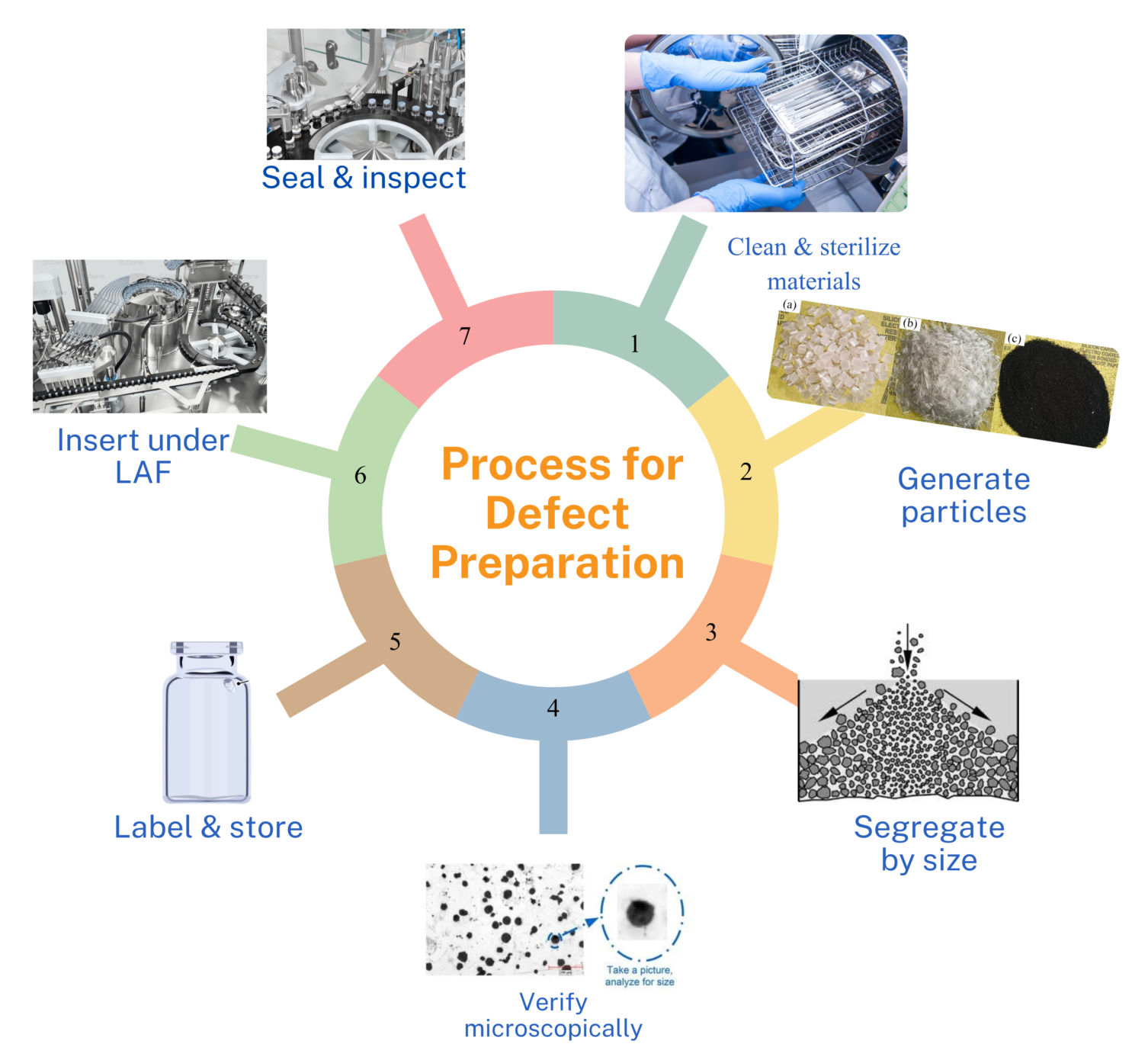
1.0 Process description:Generation of Particulate Defects:
1.1 Generation of Cosmetic defect:
1.2 Good Containers:
2.0 What you will get:

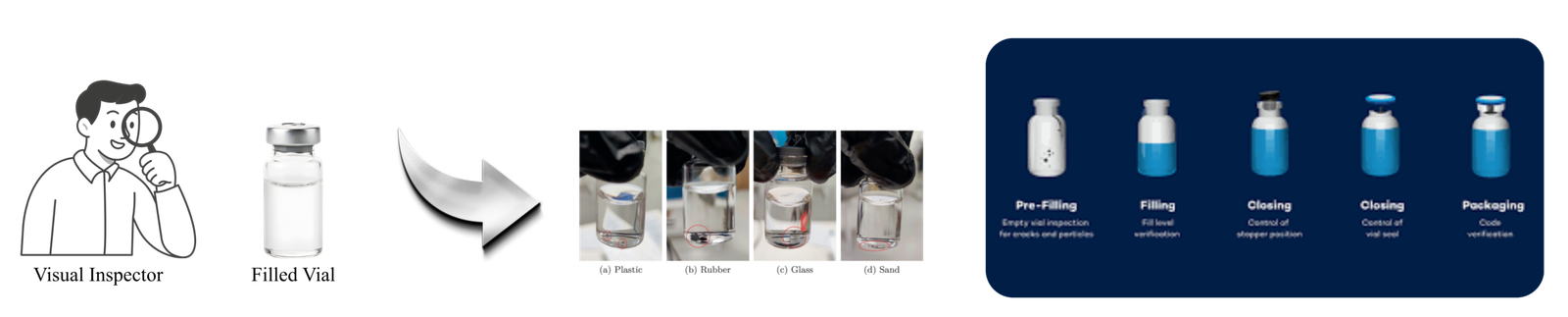
3.0 How Confianca Pharmazon is better than other Global Suppliers:
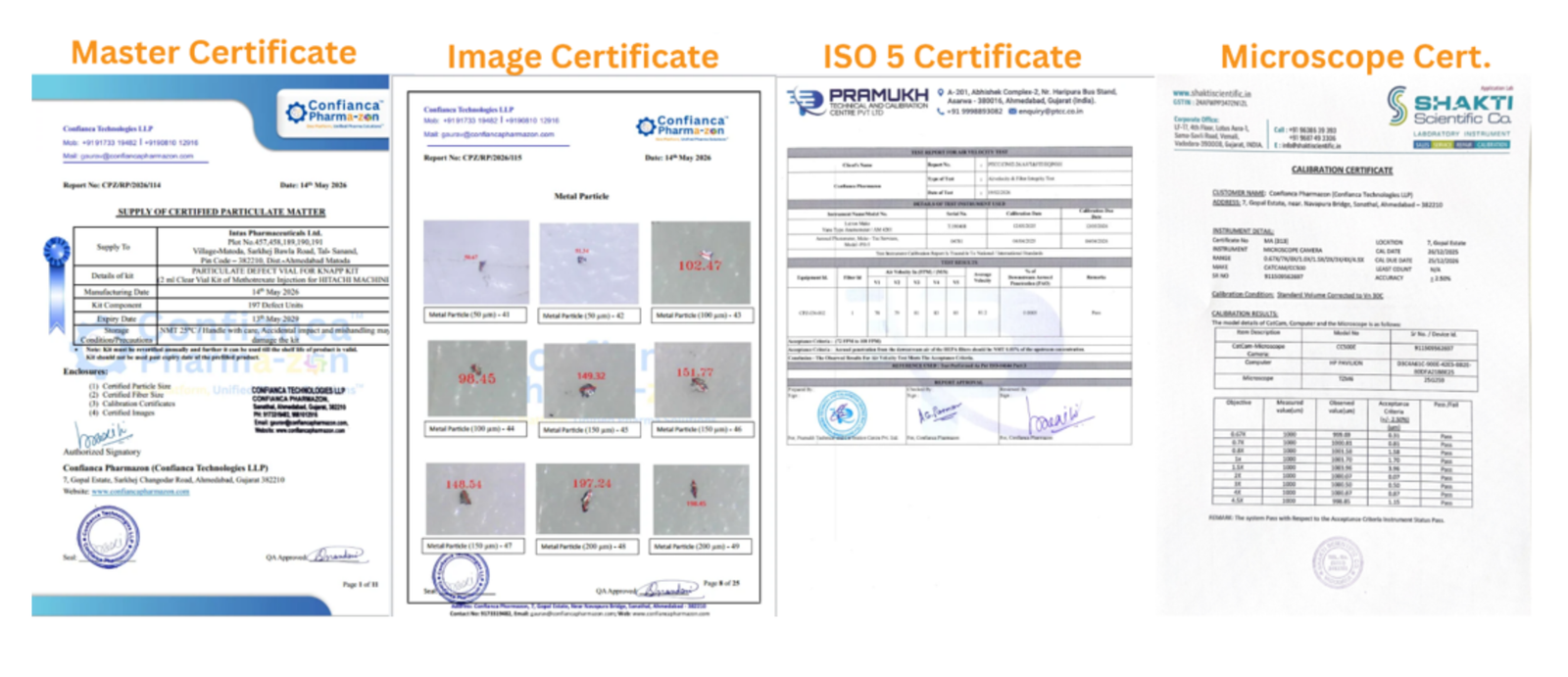
4.0 Certification of Conformance:
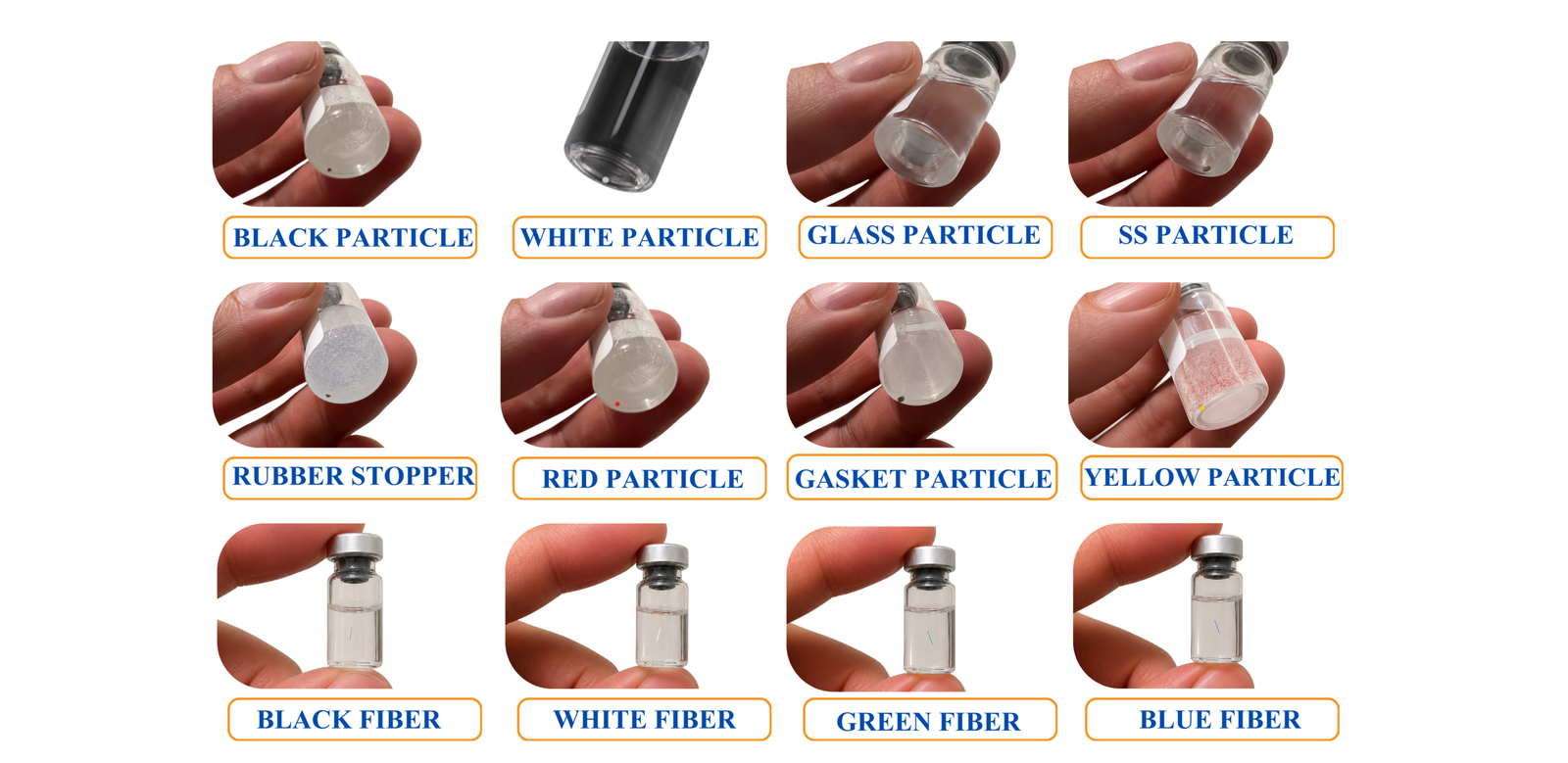
Description: Black Particle, White Particle, Glass Particle, SS Particle, Rubber Stopper/Elastomeric Particle, Red Particle, Gasket Particle, Yellow Particle, Black Fiber, White Fiber, Green Fiber, Blue Fiber
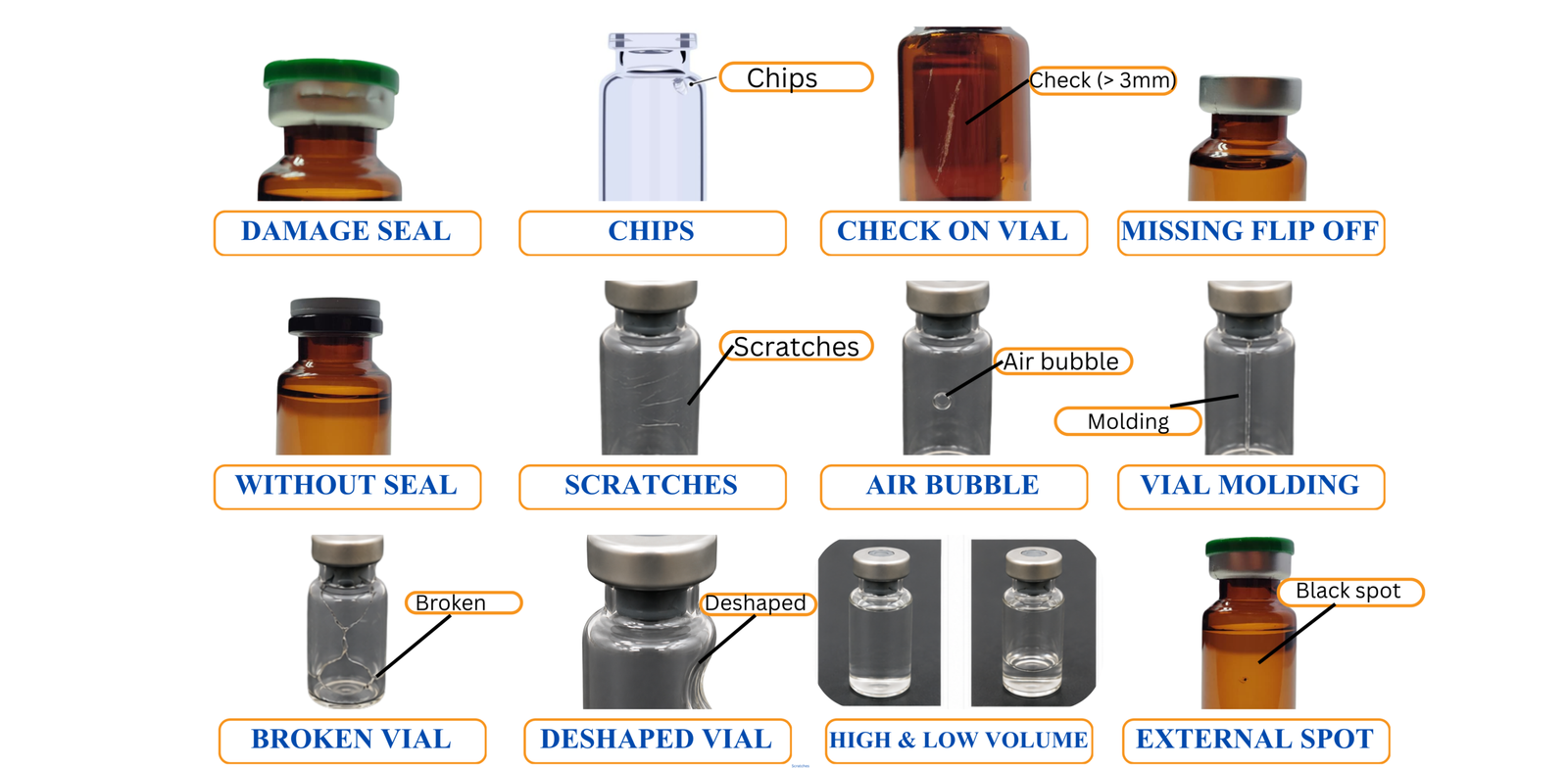
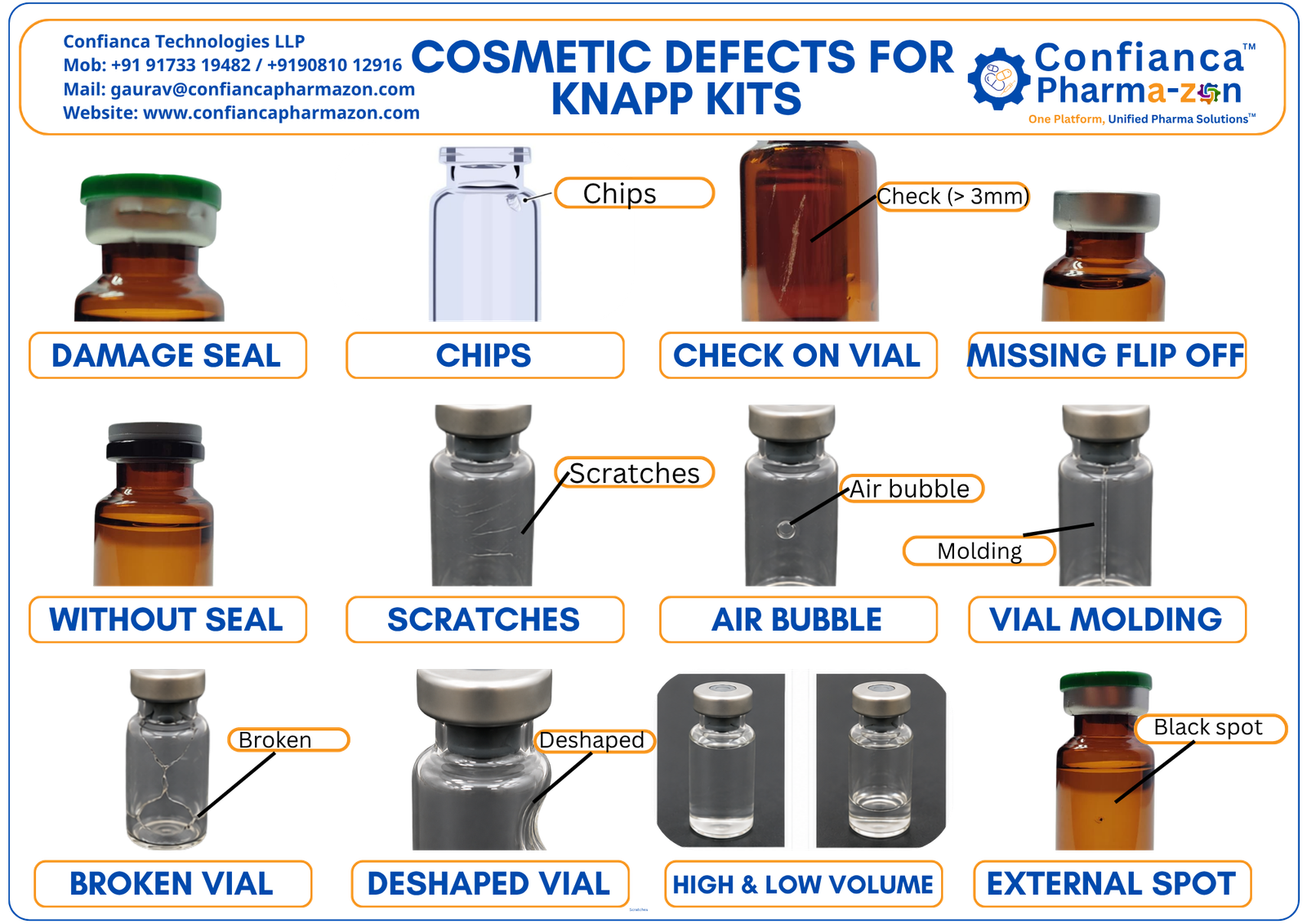
Description: Damage Seal, Chips, Check on Vial, Missing Flip Off, Without Seal, Scratches, Air Bubble, Vial Molding, Broken Vial, Deshaped Vial, High & Low Volume, External Spot
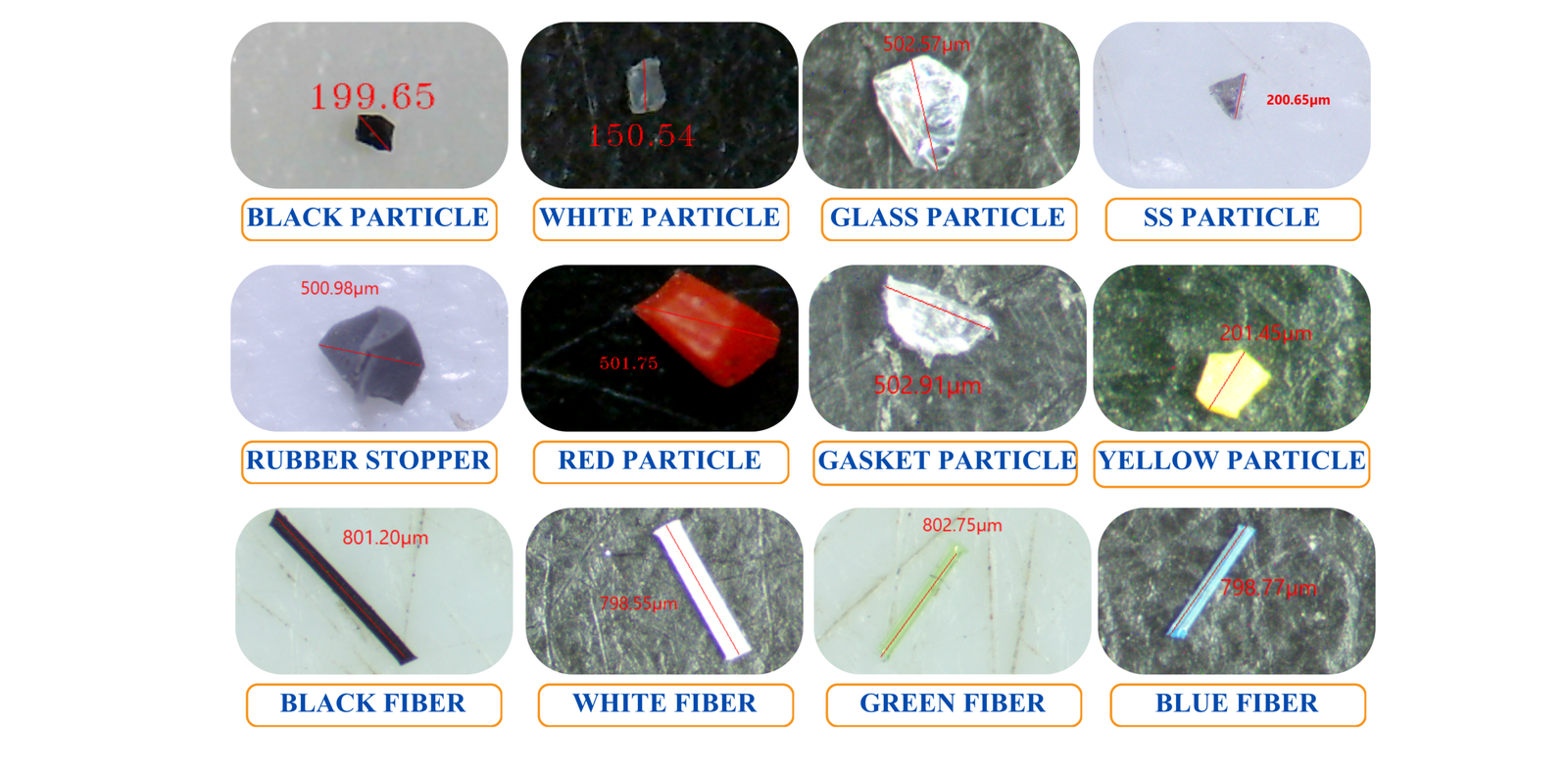
Description: Microscopic of Black Particle, White Particle, Glass Particle, SS Particle, Rubber Stopper/Elastomeric Particle, Red Particle, Gasket Particle, Yellow Particle, Black Fiber, White Fiber, Green Fiber, Blue Fiber
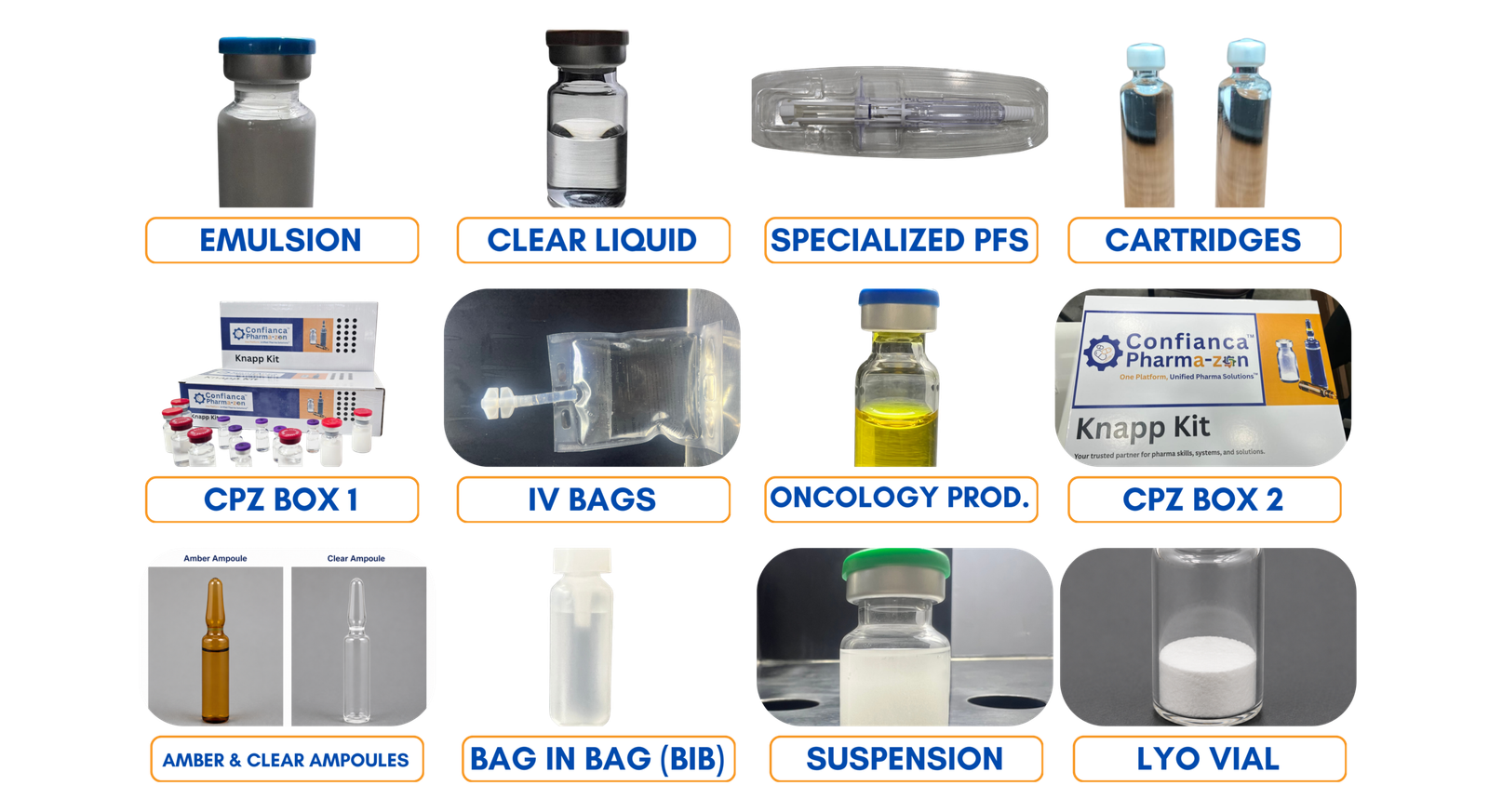
Description: Emulsion, Clear Liquid, Specialized PFS, Cartridge, CPZ Box 1, IV Bags, Oncology Product, CPZ Box 2, Amber and Clear Ampoules, Bag in Bag (BIB), Suspension, Lyo Vial
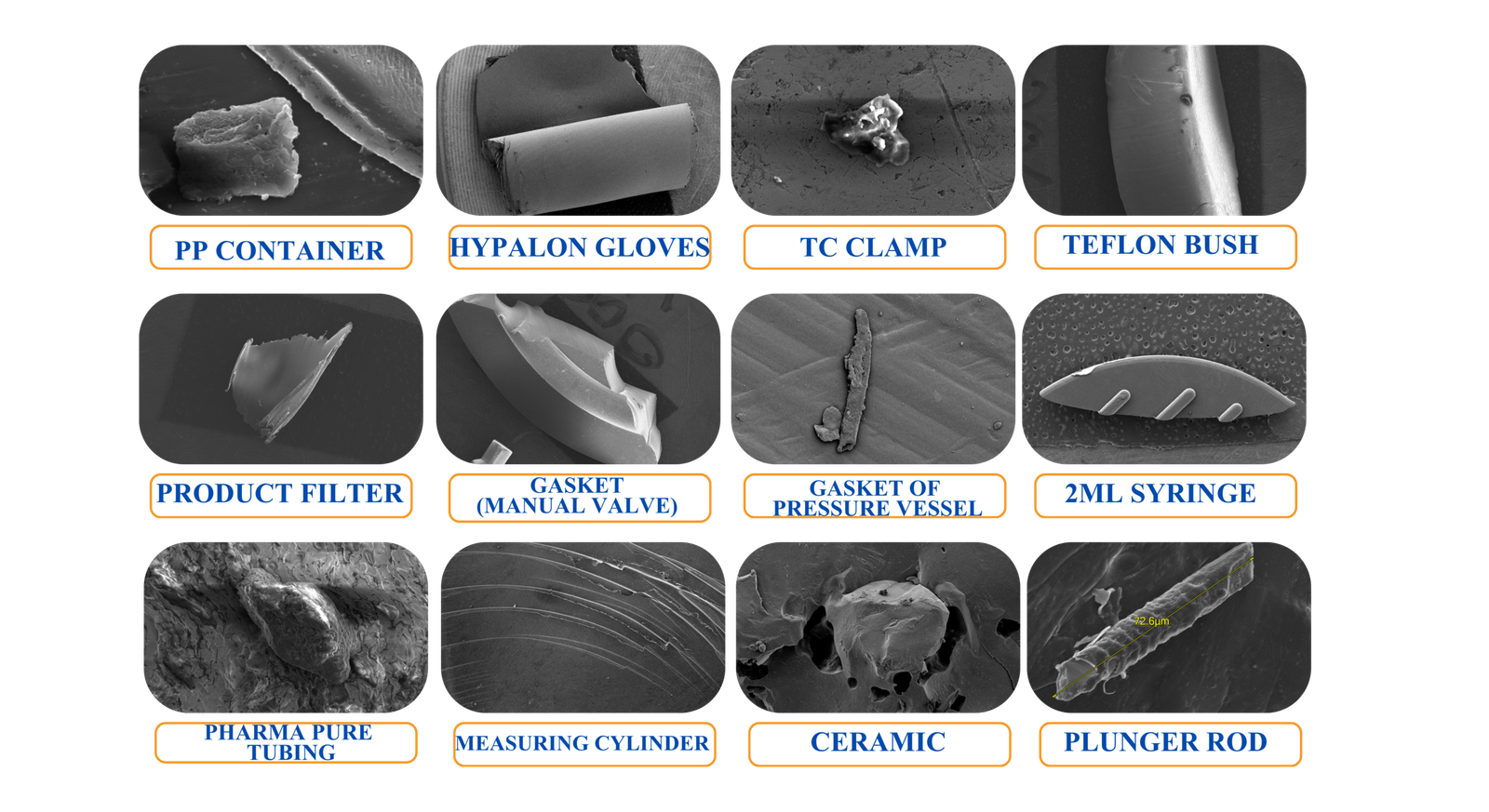 Description: PP Container, Hypalon Gloves, TC Clamp, Teflon Bush, Product Filter, Gasket (Manual Valve), Gasket of Pressure Vessel, 2ml Syringe, Pharma Pure Tubing, Measuring Cylinder, Ceramic, Plunger Rod.
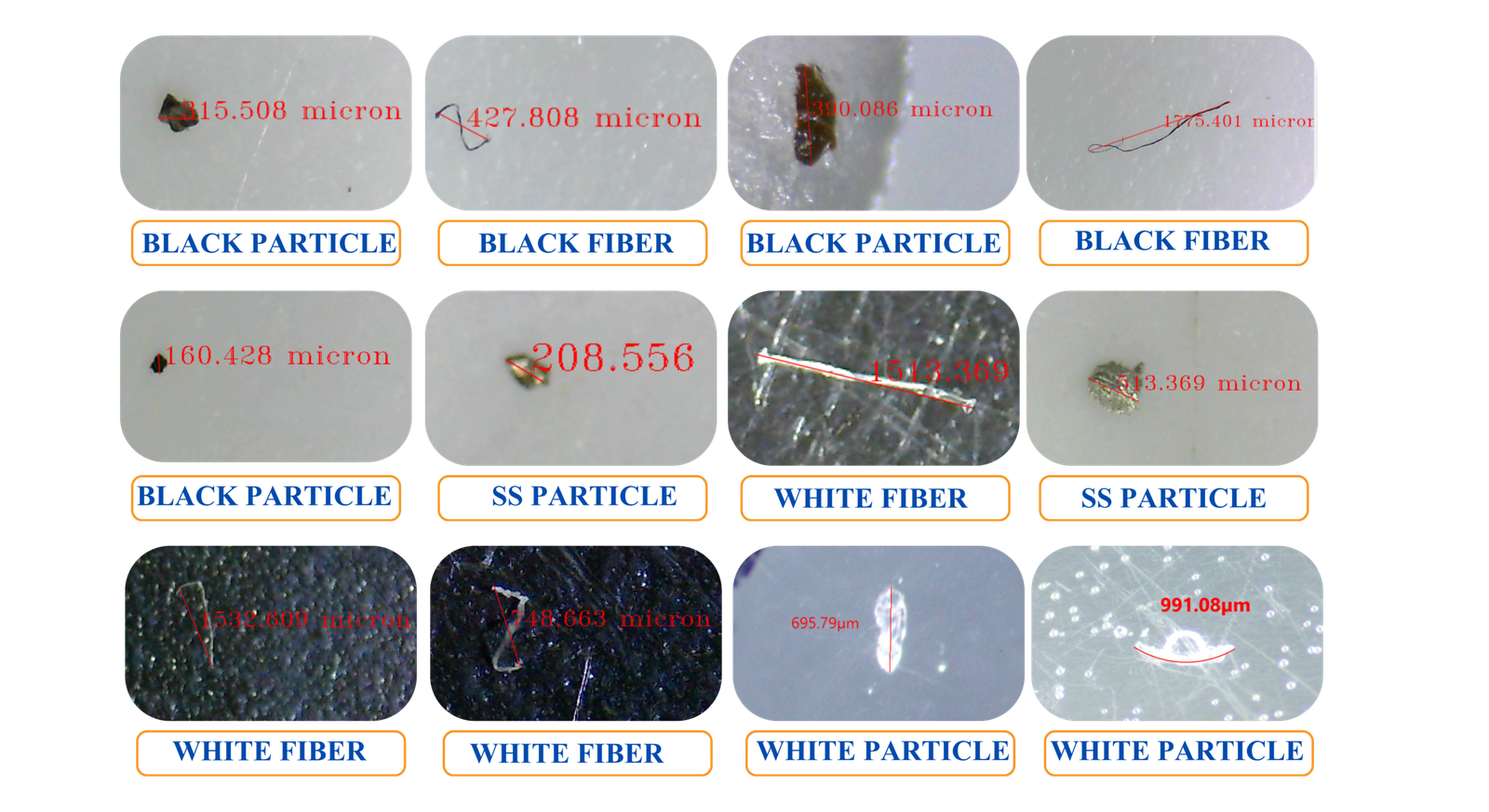
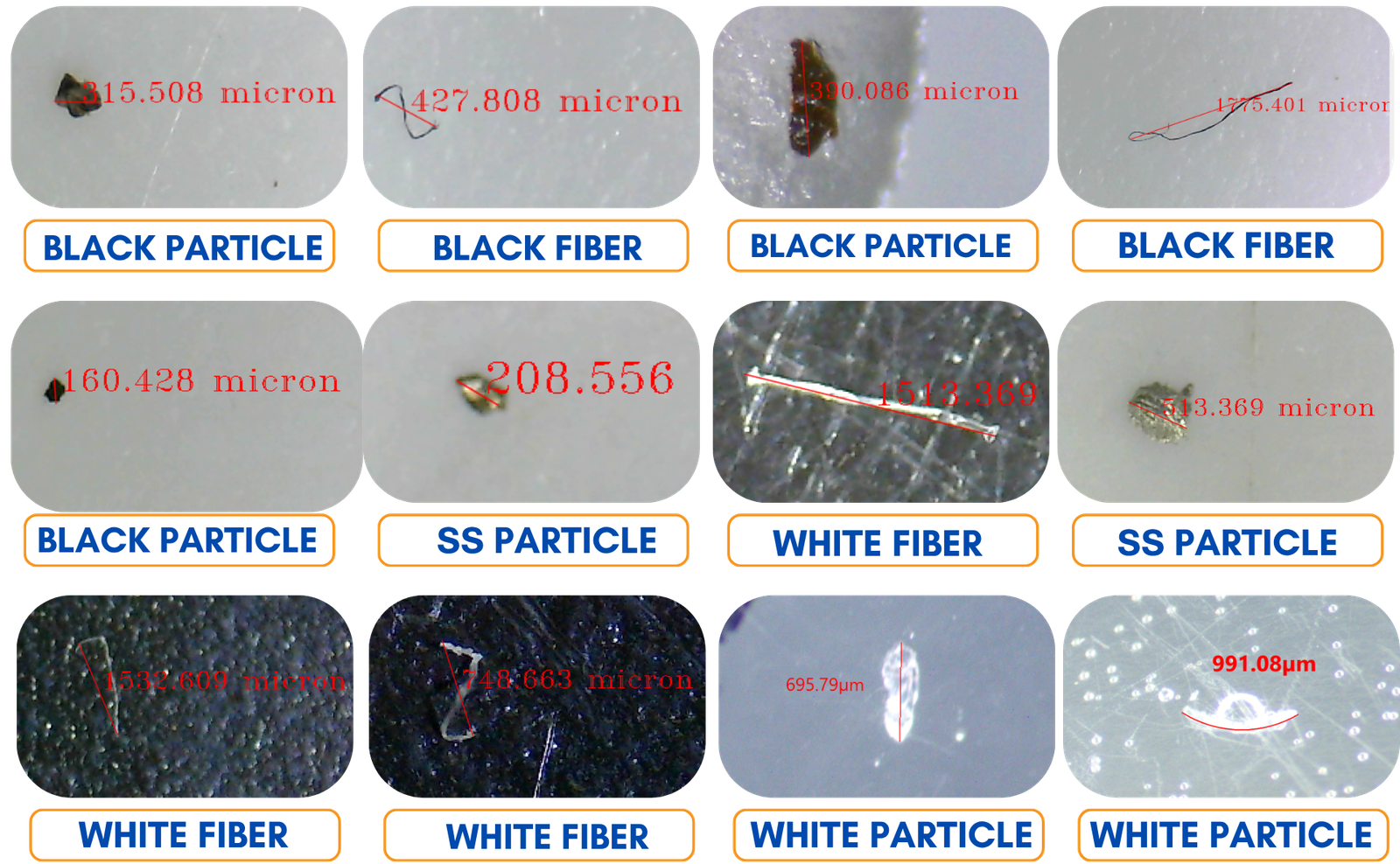
Description: Black Particle, Black Fiber, SS Particle, White Fiber, White Particle

1. What is a Visual Inspection Knapp Kit or Defect Kit?
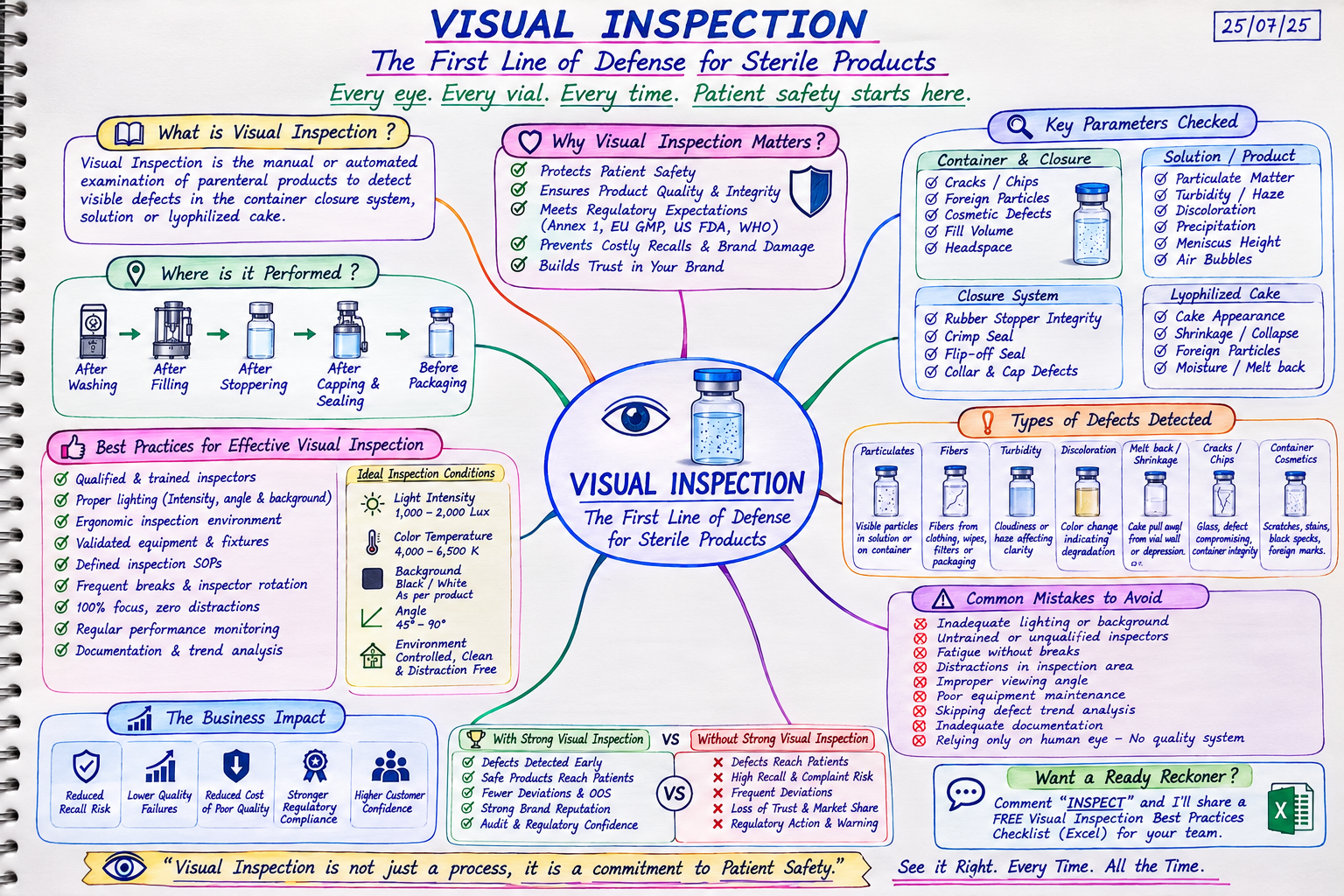
A Visual Inspection Defect Kit is a controlled collection of containers containing known particulate defects, physical defects and verified good units. Pharmaceutical manufacturers use these samples to train inspectors, assess inspection performance and support inspection-system qualification. Kits intended for Knapp studies are evaluated for detection behaviour under defined inspection conditions.
2. What are Knapp Kits used for in pharmaceutical manufacturing?
Knapp Kits support visual inspector training and qualification, inspection-method evaluation and performance assessments of manual, semi-automated and automated inspection systems. They provide representative challenge samples that help teams evaluate how consistently defects are detected.
3. Which container types can Confianca Pharmazon prepare defect kits for?
We prepare customised defect kits for vials, ampoules, prefilled syringes (PFS), cartridges and IV bags. Preparation requirements are reviewed according to the container material, size, closure system and formulation.
4. Can you prepare kits for different formulations?
Yes. Our experience includes clear liquids, lyophilised products, suspensions, emulsions and specialised prefilled syringe presentations. The preparation approach is assessed for each product because formulation characteristics can affect particle visibility and sample stability.
5. What types of particulate defects are available?
Available options include glass, stainless steel, rubber or elastomeric particles, gasket particles, coloured particles and fibres. Particle materials, colours, sizes and quantities are selected according to the agreed defect matrix and their relevance to your manufacturing process.
6. What particle sizes can you supply?
Our offering includes particles in the range of 50–5,000 µm, subject to material and preparation feasibility. The required sizes are agreed before preparation, and measured dimensions are documented. Particle size alone does not determine visibility; formulation, contrast, container characteristics and inspection conditions also influence detection.
7. Which physical and cosmetic defects can be included?
Examples include damaged seals, missing flip-off caps, missing seals, cracks, chips, scratches, malformed containers, external spots and high or low fill volumes. Defect classification as critical, major or minor should follow your approved risk assessment and defect catalogue.
8. Can the defect kit be customised to our approved matrix?
Yes. We can prepare kits based on your specified container presentation, defect types, particle materials, target sizes and quantities of defective and good units. Our team reviews the matrix with you to confirm feasibility and documentation requirements before preparation.
9. Can you use containers or filled units supplied by us?
Yes. Client-supplied containers or filled units can be assessed for kit preparation. Using a representative product presentation helps align the challenge samples with your inspection process. Sample quantities, handling conditions and preparation responsibilities are agreed before work begins.
10. How are particles measured and documented?
Particles and fibres are measured using digital microscopy before seeding. Microscopic images and measured dimensions are linked to the relevant sample records, supporting traceability between the prepared defect and the supplied documentation.
11. How are individual kit samples identified?
Each container is assigned a unique identification number corresponding to the main report. This allows users to connect the sample with its documented defect description, particle information and applicable evaluation records.
12. What documentation is supplied with the kit?
Depending on the agreed scope, documentation includes the main kit certificate or report, defect matrix, particle and fibre measurement images, relevant calibration certificates, the applicable ISO 5 work-area certificate and probability-of-detection evaluation sheets.
13. What is probability of detection, and why is it relevant?
Probability of detection (POD) describes how frequently a sample is detected or rejected during repeated inspections under defined conditions. It helps characterise the challenge presented by individual samples and supports interpretation of inspection performance. Evaluation methods and acceptance criteria should be defined in the study protocol.
14. Do you provide both defective and good samples?
Yes. Kits can include particulate defects, physical defects and units verified as good under the defined inspection procedure. The quantities and distribution are agreed in the kit matrix to suit the intended training or qualification exercise.
15. Can you supply particles separately or perform seeding at our site?
Yes. We offer individual particles and fibres for client-side preparation, onsite particle seeding and complete kit preparation at our Ahmedabad laboratory. The appropriate service is agreed based on your facilities, product-handling requirements and project scope.
16. Do you provide visual inspection training and technical support?
Yes. Confianca Pharmazon offers onsite and offsite visual inspection training, kit-handling guidance and support for Knapp studies and inspection-program development. Documentation and audit-response support can also be discussed according to your requirements.
17. How should the defect kit be stored and maintained?
Follow the handling and storage instructions supplied for your kit. Protect samples from damage and conditions that could alter the formulation, container or seeded defect. Periodically check sample condition and identification, and reassess any unit showing changes before further use.
18. What information is required to request a quotation?
Please share the container type and size, formulation, inspection method, required defect types, particle materials and sizes, quantity of each defect, number of good units and documentation requirements. Include your target delivery date and whether you will supply the containers or filled units.
Contact Confianca Pharmazon to discuss a customised Visual Inspection Knapp Kit/Defect Kit for your facility.
Phone: +91 9173319482
Email: gaurav@confiancapharmazon.com
Location: Ahmedabad, Gujarat, India



Waseem Khatib –
Nice product